
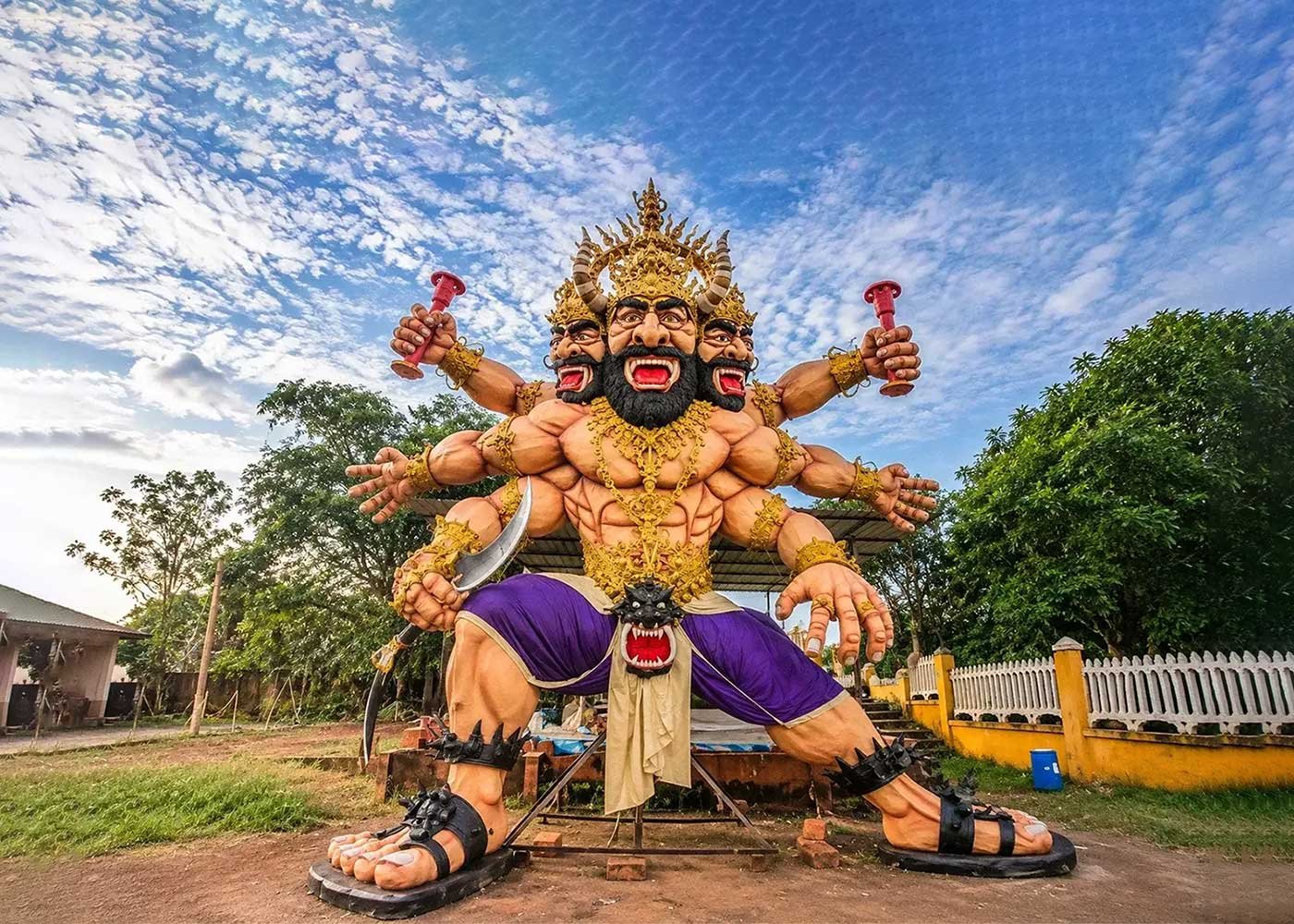
Discover the legend of Narakasura, the tradition of burning Narkasur effigies and how Goa celebrates the triumph of good over evil during Diwali.
Diwali in Goa is unlike anywhere else. While the Festival of Lights is celebrated across India with diyas, decorations, sweets and family gatherings, Goa has a distinctive tradition that brings communities together on the eve of Diwali: the creation and burning of Narkasur effigies.
From towering demon figures displayed across neighbourhoods to spirited competitions and community celebrations, Narkasur has become an integral part of Goa’s festive identity. It is a tradition rooted in mythology, creativity and the timeless message of good triumphing over evil.
As the festive season approaches, let’s explore the story behind Narakasura, the significance of Narkasur Chaturdashi and how this unique tradition continues to shape Diwali celebrations in Goa.
According to Hindu mythology, Narakasura was a powerful demon king whose growing arrogance and oppressive actions brought suffering to the people.
His reign became symbolic of the misuse of power, ego and the triumph of evil over righteousness. As the legend goes, his actions eventually led to a confrontation with Lord Krishna, who defeated him and brought an end to his tyranny.
The victory of Lord Krishna over Narakasura is remembered as a celebration of the triumph of good over evil. This story forms the foundation of Narak Chaturdashi, observed on the day before the main Diwali celebrations in many parts of India.
The legend continues to be retold through generations, reminding people of the importance of humility, courage and the victory of righteousness.
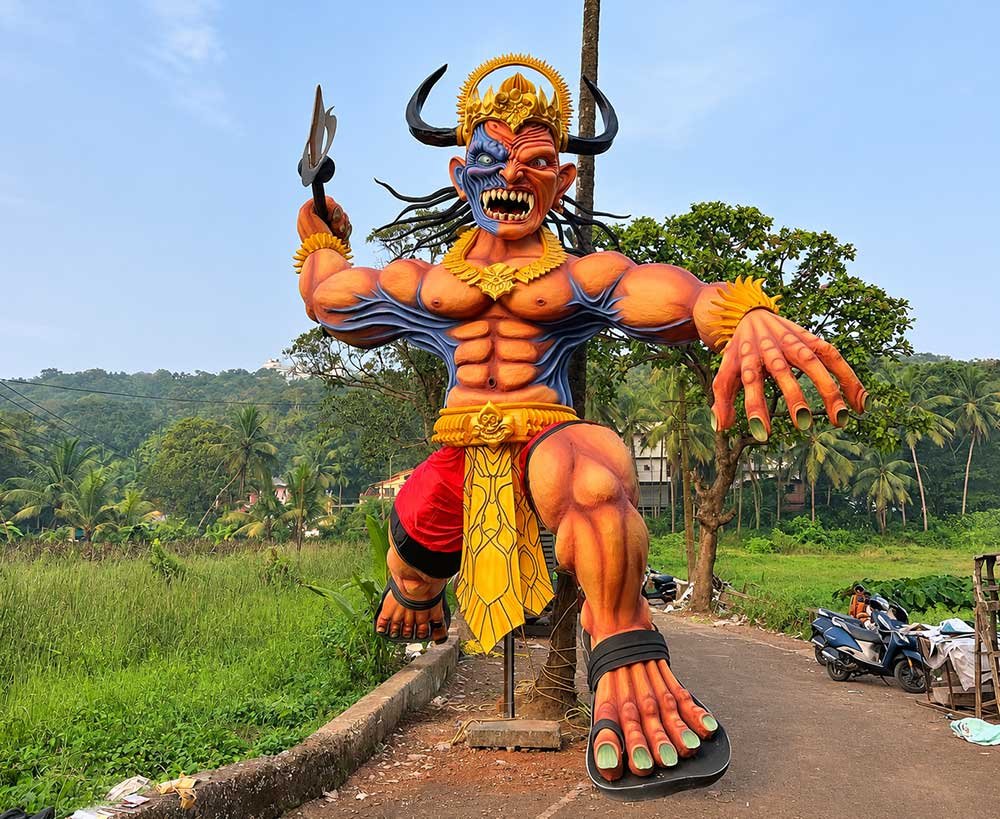
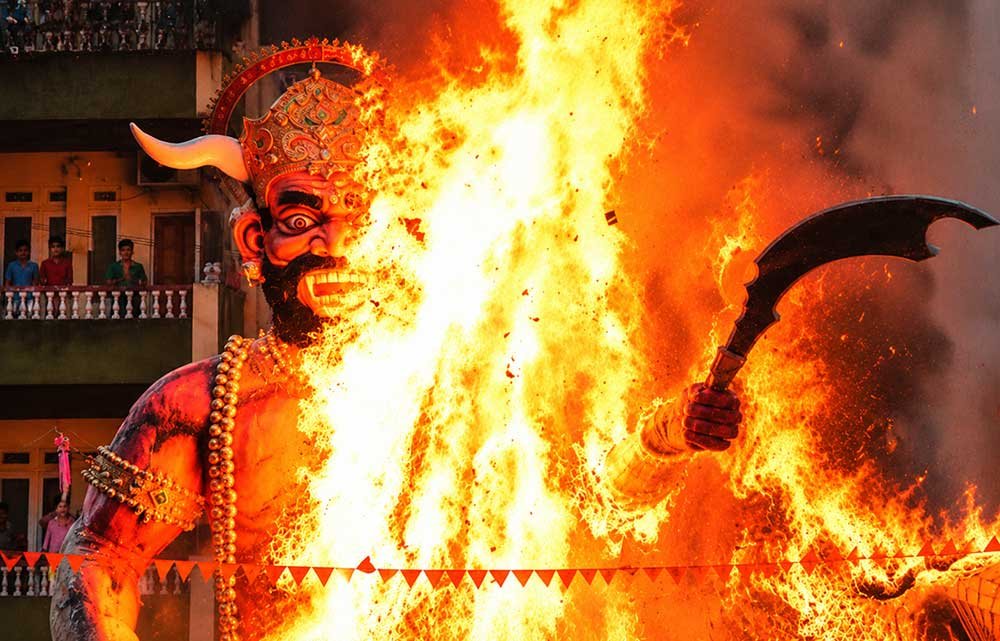
One of the most recognisable aspects of Diwali in Goa is the tradition of creating and burning Narkasur effigies.
These figures represent Narakasura and the negative qualities associated with him, such as arrogance, greed and evil. The burning of the effigy symbolises the destruction of these forces and the victory of good over evil.
In Goa, preparations for Narkasur Chaturdashi often begin well before Diwali. Groups of friends, neighbourhood associations and local communities come together to conceptualise, design and construct elaborate effigies.
Using materials such as paper, cardboard, bamboo and other locally available resources, these creations can range from relatively simple figures to enormous, intricately detailed representations of the demon king.
The tradition is not merely about the final burning. It is equally about the creativity, teamwork and enthusiasm that go into bringing each effigy to life.
The Narkasur celebrations in Goa have developed a character of their own. As Diwali approaches, streets and neighbourhoods across the state begin to feature colourful and imaginative effigies.
On the eve of Diwali, these creations become the centre of attention as communities gather to witness their display and eventual burning.
From North Goa to South Goa, the celebrations bring together people of different ages and backgrounds. The atmosphere is filled with excitement, music, cheering and a shared sense of participation.
For many Goans, witnessing the Narkasur burning is more than a festive activity. It is a childhood memory, a community tradition and an experience that marks the arrival of Diwali.
Another exciting aspect of Diwali traditions in Goa is the Narkasur competition.
Across several neighbourhoods, groups compete to create impressive effigies that stand out through their size, craftsmanship, creativity and presentation.
These competitions encourage participation from local communities, particularly younger generations, who contribute their ideas, artistic skills and time towards building the effigies.
The process often involves weeks of planning, sourcing materials, constructing frameworks and adding intricate details. The result is a fascinating display of imagination and collective effort.
Beyond the competition itself, these gatherings strengthen neighbourhood bonds and help preserve a tradition that has become an important part of Goa’s cultural identity.
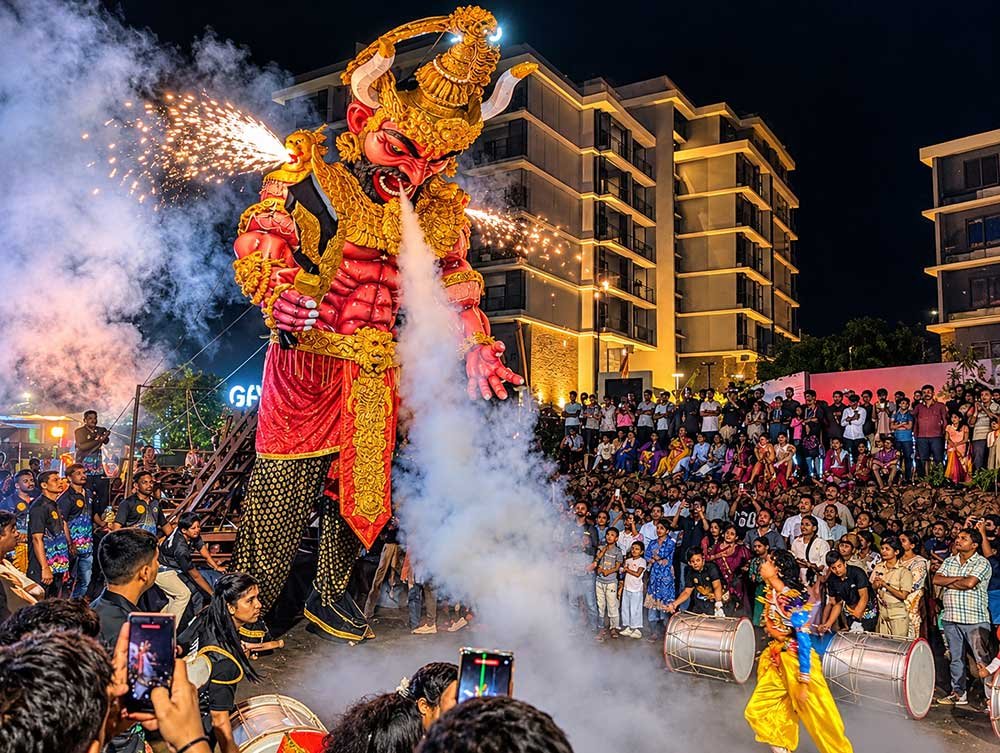
At the heart of the Narkasur tradition is a simple yet powerful message: good ultimately triumphs over evil.
The burning of the effigy represents more than the end of a mythological character. It serves as a symbolic reminder to overcome negativity, ego, arrogance and destructive behaviour.
As the flames rise and the effigy turns to ashes, the act represents a fresh beginning and the opportunity to move forward with positivity.
This symbolism connects beautifully with the larger spirit of Diwali, a festival that celebrates light, hope, renewal and new beginnings.
What makes Diwali in Goa special is the way different traditions come together to create a vibrant festive experience.
From Narkasur effigy competitions and community celebrations to traditional sweets, family gatherings and illuminated homes, the festival brings the state alive.
For locals, it is a time to reconnect with familiar customs and celebrate with loved ones. For visitors, it offers an opportunity to experience a distinctive side of Goan culture.
As the Narkasur celebrations conclude and Diwali festivities continue, the festive spirit carries on through the day and into the night.
The festive season in Goa offers plenty of opportunities to explore, celebrate and enjoy new experiences. For those looking to add an entertainment experience to their Diwali itinerary, Casino Rivers offers a destination that brings together electronic gaming, dining and entertainment.
Located within Novotel Goa Panjim at EDC Complex, Patto Centre, Casino Rivers is an electronic gaming destination in the heart of Goa’s capital.
Visitors can explore a selection of electronic games, including Sic Bo, Mini Baccarat, Casino War, American Roulette and Blackjack, in a contemporary setting.
One of the venue’s key highlights is its Open 24×7 proposition. Whether you are planning a late-night outing after the festivities or looking to enjoy an experience at a time that suits your schedule, Casino Rivers offers around-the-clock access to its gaming experience.
This festive season, as Goa celebrates its unique traditions, Casino Rivers invites visitors to discover another side of the state’s entertainment landscape.
Narkasur is more than an effigy. It represents Goa’s community spirit, creativity and connection with traditions passed down through generations.
From the excitement of Narkasur competitions to the symbolic burning of the effigies, every aspect of the celebration contributes to the distinctive character of Diwali in Goa.
As the state welcomes another festive season filled with light, happiness and togetherness, take the time to experience the traditions that make Goa special.
And when the celebrations continue into the night, remember that Casino Rivers is open 24×7, bringing gaming, dining and entertainment together in the heart of Goa’s capital.